No items found.
No items found.

S&S Auto Repair Has Seen Growth Through Positive Impact

Aaron Smith grew up in the auto repair industry. His grandfather owned and operated multiple dealerships, and his father had a successful career as a mechanic. When his father retired in 2001, he opened S&S Auto Repair as a way to keep busy. Within five years, Aaron’s father was running a 10-bay facility with eight employees in Chattanooga, TN

December 12, 2025

|

Read time: 3 min

$430

Avg. Repair Order

900

Avg. Car Count

21

Number of Employees

Average Car Count

Number of Employees

Number of Bays

Aaron became an official part of the S&S team in 2006. He started handling the shop’s IT systems, and over the years, he slowly moved into management. By 2018, when Aaron’s father decided to retire (for real this time), Aaron was running much of the day-to-day operations while his dad was on the floor with his technicians just like the old days.

Since officially taking over, Aaron has worked to modernize S&S by going completely paperless. He evolved the shop’s management culture to help his employees better themselves. It’s this mentality that has helped Aaron and S&S Auto Repair grow in 2020, despite the challenges that his community has faced during the COVID-19 pandemic. In June of 2020, S&S Auto Repair opened its second location in nearby Hixson, TN.

We recently sat down with Aaron to discuss how his shop was able to grow during COVID-19, how he tries to make a difference in his employee’s lives, and why he thinks that a positive message will get you further in your community than any other. Here’s what he had to say:

Tightening Our Belts to Push Through

When we were in the heat of COVID and everything but the essential businesses were shutting down, we saw a little bit of a dip. But ever since June, we’ve seen the same growth patterns that we’d seen before the pandemic.

Even though we qualified, I decided not to take any of the money that Congress offered through the PPP and SBA. I felt like we were in a good position to be able to weather the storm and take the risk of what might happen. I wanted to move forward and push through. We buckled down and tightened our belt. We found ways to cut our expenses and trimmed the fat quite a bit. Since we had already gone paperless in February after switching to Tekmetric, it was easy for us to transition to a safe, touchless auto repair service. Thankfully, we made it through that whole time fairly easily and came out on the other side with a big gust of new customers.

Focusing on a Positive Message to Uplift the Community

I watched how my friends and mentors handled their messaging after COVID, and I decided to do none of that. I pretty much abandoned the normal automotive messaging. For me, it was all about “How can we help you?” I wanted messages that centered on being there to help our customers when they needed us. I posted on social media about community togetherness, perseverance, and pressing forward. Several of them were just one-word posts. One was “Forward,” another was “Perseverance,” things like that. They took off like crazy. People were sharing them over and over again because the message was positive. Instead of the fear that you saw in other places, it was “We can get through this together.” And I think people responded better to that than to the fearmongering.

I wanted messages that centered on being there to help our customers when they needed us.

On top of COVID, we also had a tornado come through this area. It was an EF3 tornado, and it basically leveled our entire area. Even my high school got crushed. We were already slow from COVID when that happened, so I let my employees off to help the community. Some of them went out with chainsaws and cut down trees. We invited the community college athletic program to come over and make sandwiches to distribute to those in need.

During that time, we kind of became more like a concierge service. We had elderly people who called us asking to get milk for them. One lady called us because her house was flooding and she wanted us to pray with her. We decided to go a step further and call our customers to check on them. We didn’t want to sell them anything, we just wanted to make sure they were okay. I had my whole service staff pick up a list and start calling to check on people.

Honestly, I think that’s the way we should be as auto shop owners. We need to be leaders in our community. As business owners, we interact so much with our fellow citizens. We need to put that positive message out there. If we believe in that positive movement and push that through to our communities, our customers will take it and run with it.

As a result, we’ve had a wave of new customers who heard of us because they saw what we were doing for the community. When our customers come in or call to pick up their vehicles, they’re like, "I see you everywhere." Then to open up a second location on top of that, we’re bringing in new customers in a new community.

Expanding to a Second Location

Everybody told me that I was either a genius or a fool for opening up a shop during COVID. In fact, the day we found the property was the same day that we switched our shop over to Tekmetric.

cars in shop

We found the property in February, and by March, we had signed a letter of intent. We based our intentions on how our customers would react to COVID. Since we had a big gust of new customers due to our messaging during the pandemic, we thought it would be good to open a new location. We took over the property on May 1st and opened for business 30 days later. We decided to do it old school; instead of hiring contractors, we built out everything ourselves. I’d work at our Chattanooga shop until about 4 o’clock, then go over to the Hixson location and work until 9 PM or 10 PM every night. My father even pitched in, tirelessly working alongside me during the month of May to get the Hixson location up and running by June.

Everybody told me that I was either a genius or a fool for opening up a shop during COVID. But it’s been gangbusters.

Many people were furloughed during COVID, and I knew that there were rock stars out there who were unhappy with the way their shops were treating them. So I heavily advertised that I was hiring for the positions that were available at the new shop. We got something like 10 applications a week, from parts people to technicians to service advisors. I brought in five new people from the industry and trained them on our methods during the whole month of May, so we were able to go into June fully-stocked and ready to go with employees. Since they were getting to know our culture at our original location and learning our paperless, digital systems, there was no real transition time.

Our two shops are only eight miles apart, but a river divides the two communities. Now that we have shops on both sides, we’re able to serve both communities. Some of our customers have switched locations because they live or work in one community or the other, but we didn’t really lose any car count at the original location. Our customer base is also telling their family and friends about us, and people are coming in left and right.

Going Paperless

We were a pen-and-paper shop up until 2005 when we decided to upgrade to a shop management system. Our first program had a lot of good characteristics and was great for a small shop, but as we grew, we needed something that was more robust and user-friendly. I wanted something that was as easy to use as Facebook, that would give me the reporting that I need, and would give me the option to change information on the fly right in front of the customer at the point of sale.

I vetted Tekmetric and another cloud-based software system, but I decided to go with Tekmetric because of their owners. They were very involved in creating the next generation of shop management software. They’re pouring their time, money, and effort into creating a great system. So I decided to jump on board with Tekmetric.

When we went live with Tekmetric, I was so confident that my guys would get it that I wasn’t even in the shop that day.

When we went live with Tekmetric, I was so confident that my guys would get it that I wasn’t even in the shop that day. And I got no complaints whatsoever. They didn’t even have to call customer service. Tekmetric was probably one of the easiest onboarding processes that we have ever had.

We went completely paperless when we went live with Tekmetric in February. Going paperless is pretty much unheard of in our town. There are only a handful of people who are doing it, and they're only doing it halfway. We use Tekmetric for all of our in-house communication, so everyone can talk to each other through their tablets or computers. All of our information is passed digitally between our service, parts, and technician departments. When we duplicated our system for our second location, it was completely seamless because the digital side was already working. I said I wouldn’t buy any more paper when we switched to Tekmetric, and I haven't bought any paper since February.

How Tekmetric Helps Us Organize

Even when we were on paper, our company has always prioritized our customers’ repairs for them. We divide our information into three categories: the reason for the service, the safety of the vehicle, and maintenance for future repairs. With these three categories, we can answer all our customers’ questions and help them prioritize what needs to be done.

Our goal is to help our customers budget their repairs. If a technician brings us a digital inspection and there is a lot of stuff in red, we can go through and break them down into the three categories of safety, maintenance, and repairs. In each category, we break it down further: this needs to be done today, this can wait until your next oil change, and this one we can work on in the next six months, but you need to budget for it.

Many repair companies want to go in and get every dollar they can at every sale. I want to go in and create a relationship. I talk to my guys about this, too. We're doing relationship automotive service. We're building a relationship and rapport with the customer. We’re saying, "Hey, these things can wait. We can check on them every oil change to see if they're getting worse or staying the way they are, and perhaps we can save you money down the road.

”We want to build that relationship and that rapport where we can actually help them save money towards their repair so they can keep that car longer. We may see them two to three times a year, where other people in our industry are seeing them once, maybe twice a year. I would rather see my customers more often each year and have them spend less money with me at every visit than try to grab everything out of their wallet that I can the first time they come in.

Tekmetric makes it easy for us to categorize repairs in the order that we want them before we give it back to the customer. Then, when we present their inspection to them, it’s in the order that they need the repairs done. We can break it down cleaner and easier for the customer, and give them a honey-do list for their car. It’s very simple and a lot easier than the way we used to work when we were on paper.

The Future of S&S Auto Repair

S&S stands for Smith and Smith after my parents, Steve and Melanie Smith. My family has been in the automotive business since the 1950s. My dad has been a mechanic since 1976. He started working for my grandfather that year, who at the time had owned four car dealerships. My grandfather actually started in the automotive industry by driving cars down from Detroit to sell in our city. I was literally born into the automotive business.

Not many people know this, but I had originally taken pre-seminary classes. I finished a program and got my certificate, but then I felt like I needed to take a different approach in life. I decided that, as a business owner, I could reach more people through principle than through preaching. So I decided to focus my efforts more towards a business approach to help individuals better themselves. It starts with believing in yourself and knowing your self-worth.

We're a very goal-oriented company.

I have big goal boards with all my employees. I'm always trying to help them reach their goals. I get excited when my employees buy a house, or a car, or they save their first $10,000. I mean, a house and a car are great, but saving ten grand can be a huge deal.

There's always growth opportunities. As a business owner, if you're not growing yourself then your business is not growing. We started an apprentice program here, where we’re training up the next generation of automotive staff. They’re growing in their knowledge and their experience, so if I want to retain those individuals then I need to grow myself. I understand there's going to be bumps in the road, especially opening new shops and putting in new policies and programs and things like that, but it's that commitment to our culture and our customer that is pivotal.

I want to change not only my employees’ lives but also the lives of their children and grandchildren. I want my top technicians to make six figures. You don't usually hear shop owners talk in that way. I don't care how much money I make. I'll make enough money. I want the apprentice who just started with us to be making $40,000 in a year, then $80,000 in two years. That’s the thing that’s going to matter. If you take care of those employees, they’ll take care of you, and more importantly, they’ll take care of your customers. If they take care of the customers, the business will take care of itself. It’s a lifestyle of taking care of those around you.

For more information about S&S Auto Repair Shop, visit ssautorepair.net

Average Car Count

Number of Employees

Number of Bays

Recommended stories

The Washington, D.C.-area chain used cloud-based visibility and real-time coaching to bring consistency to a multi-location operation

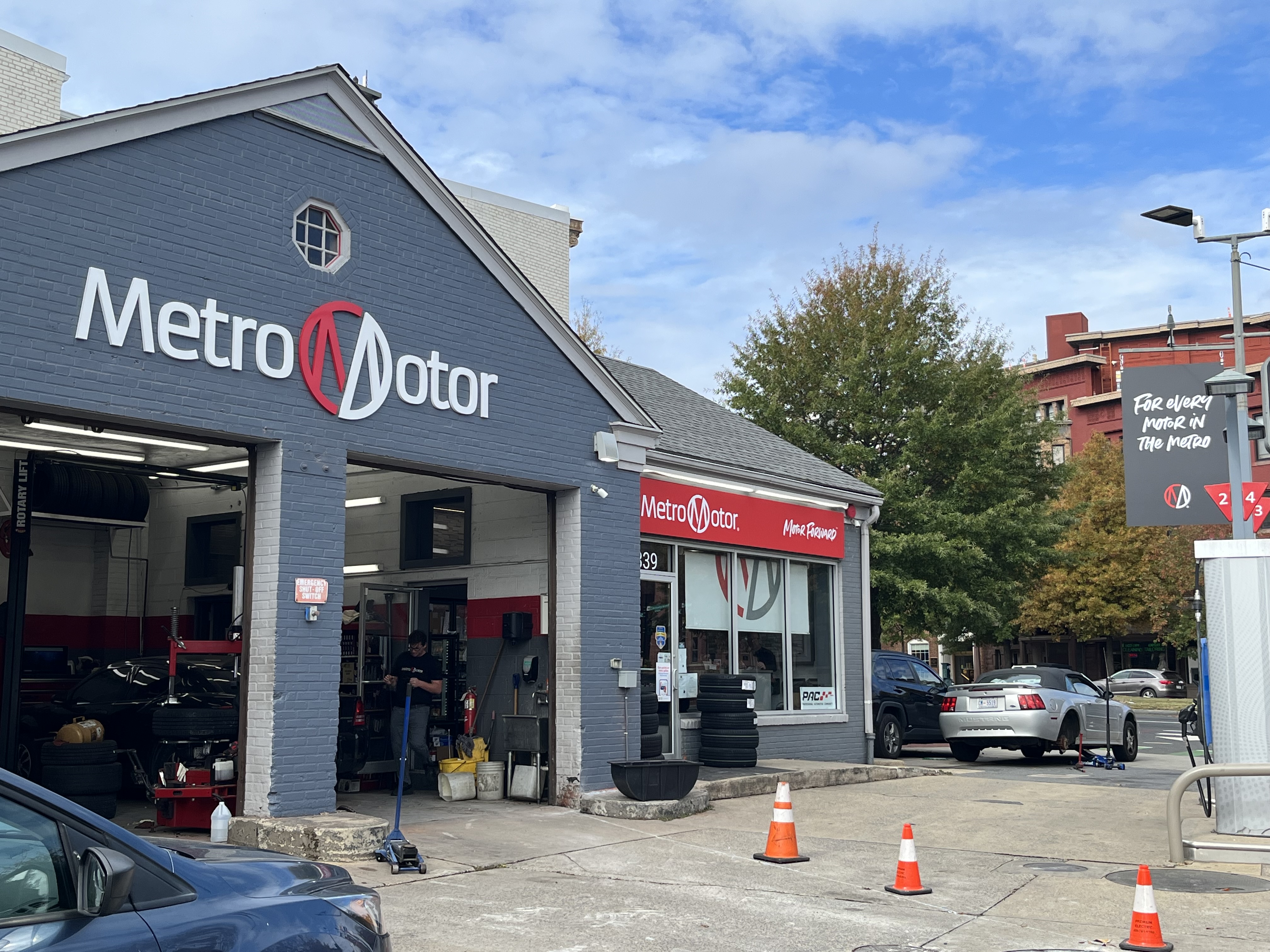
Metro Motor took an ambitious approach when scaling to 19 shops across the Washington, D.C. metro area. For COO Faisal Abu-Taa, the growth came from a simple formula: the right people, consistent execution, and the willingness to seize opportunities as they came, whether that meant adding a towing division, a collision department, an auto supply delivery business, or a new neighborhood shop.

But scaling fast created a familiar problem to any multi-shop operator: keeping every location running in a consistent way when you can't be everywhere at once. That's when Tekmetric entered the picture and made all the difference for Metro Motor.

From Paper Job Boards to Full Visibility

Before Tekmetric, checking on a shop meant physically being there. Abu-Taa had to be on-site just to see what was on the job board. That process worked when Metro Motor had a handful of locations but couldn't scale to 19.

Since moving the entire network onto Tekmetric, that changed. The platform's cloud-based access gives Abu-Taa and his operations team visibility into every shop from any location.

"Tekmetric gives us full visibility compared to before, when it was a struggle. I needed to visit each shop to even see what was on the job board," Abu-Taa said. "Now, with the cloud-based ease of Tekmetric, I have complete insight into everything going on. I can shoot a quick text: 'Hey, let's clean this up,' without the drive across town."

The rollout itself moved very fast. Metro Motor started onboarding its locations in November, and every shop was live by February, with teams fully trained by mid-March.

Consistency Across a Transient Market

Running 19 shops in the Washington, D.C. metro area means navigating distinct neighborhoods, each just minutes apart but with a different customer base and different expectations. Abu-Taa's team leans into that, treating each location like a neighborhood shop first.

Tekmetric Multi-Shop capabilities help make that possible without sacrificing consistency. When a customer visits any Metro Motor location, their service history travels with them.

"When a driver pulls into our bays, they become part of the Metro Motor family, with data synced in real-time across three states," Abu-Taa said. "Whether they first become a customer of ours in Old Town, Arlington, Bethesda, Georgetown, or any one of our neighborhood locations, they're entered in the system and can be recognized and greeted on their next visit, even if it's to a different shop. Being able to greet a customer by name with, 'Welcome back! I see you've been with us before,' goes a long way to building loyal and long-term relationships."

In a market as transient as Washington, D.C., where customers move among neighborhoods regularly, that builds trust fast.

Turning Inspections Into Revenue

Metro Motor's average repair order has climbed from about $450 to $800 per ticket, growth Abu-Taa credits to digital vehicle inspections (DVIs) paired with clear customer communication.

"Getting the car in, looking it over, and being able to present it with pictures and videos has really helped," Abu-Taa said. "It makes it an easier sale. We're showing, and seeing is believing."

Tekmetric Payments gave the team another lever to close large jobs. With financing options available directly through the platform, service advisors offer customers a way to say yes to larger repairs, like an engine or transmission job, without the sale stalling out at the estimate.

"It's given our guys the opportunity to send those videos, send different documentation, and to feel comfortable landing a sale. We also have access to Carfax so you're able to do better on the maintenance side," Abu-Taa said. "Our maintenance sales have gone up."

Metro Motor also uses Tekmetric to text customers directly from the shop's own number, sending inspection results and even a welcome message when a car comes in. Abu-Taa calls it an auto hospitality approach: every customer gets the same digital experience, tied to the shop, not to whichever advisor happens to be working that day.

Coaching in Real Time, Not the Day After

For a chain Metro Motor's size, consistency depends on catching problems before they reach the customer, not after. Tekmetric's real-time activity feed lets Abu-Taa's managers review inspections and estimates while a repair order is still open.

"Right now, we could open Tekmetric, see a customer go through, and look at the inspection report. We can say things like, 'Hey, before you send that, real quick, make sure we fix this, or look at the estimate. Hey, we missed this on it,'" Abu-Taa said. "Being able to coach in real time has been crucial."

That visibility now anchors a standing weekly review. Every week, managers and service advisors from across all 19 locations join a video call to walk through a handful of estimates together, line by line, comparing how each shop wrote up the same kind of job.

"We'll go over three estimates as a team on a Google Meet, going over the inspection report, the estimate, to try to get to that level of consistency across the board," Abu-Taa said.

It's a small ritual, repeated weekly, that keeps all shops writing repair orders the same way.

Onboarding a Workforce, Not Just a Software

Metro Motor hires from both inside and outside the automotive industry, and Tekmetric's sandbox environment gives every new hire, regardless of experience level, a place to train before they ever touch a live repair order.

"Usually within three weeks, even someone who has no experience within the industry, they're able to pick it up," Abu-Taa said.

New locations follow the same playbook: Metro Motor activates its Tekmetric subscription two weeks ahead of a shop's opening to build out test repair orders and get the team comfortable before day one.

Turning an Internal Parts Division Into a New Revenue Line

As Metro Motor grew, it launched Metro Motor Auto Supply, an internal division that supplies its shops with oil, filters, and other shop products. Tekmetric's SmartJobs ties directly into that operation, tracking product usage in real time as technicians complete jobs, rather than relying on manual inventory counts.

That real-time tracking turned into an unexpected growth opportunity. Metro Motor now supplies parts and products to shops outside its own network, using its Tekmetric integration as part of the pitch to win that business.

"Now it's growing and we're starting to supply repair facilities beyond our own shops," Abu-Taa said.

What started as a way to manage internal inventory has become its own line of business.

What's Next

As the network grows, Abu-Taa's focus stays the same: standardize the operation so every customer, at every location, gets the same experience.

"It's helped standardize our operation and helped us be more consistent across the board, to build a brand name that's recognizable throughout the DMV area," Abu-Taa said.

His advice to other multi-shop operators considering Tekmetric is direct.

"You don't lose anything by trying it," he said. "Once you make the change, you look back and you're like, 'I wish we would have done that a year ago.'"

Frequently Asked Questions

How much did Metro Motor's average repair order grow after switching to Tekmetric?
Metro Motor's average repair order grew from about $450 to $800 per ticket, growth the company attributes to Tekmetric DVIs, clear customer communication, and financing options through Tekmetric Payments.

How does Tekmetric help multi-shop operators stay consistent across locations?
Tekmetric's cloud-based platform gives operators full visibility into every location's job board, inspections, and estimates in real time, without requiring an operator to be on-site. Its multi-shop capabilities also connect customer history across locations, so a customer is recognized no matter which shop they visit.

How long does it take to onboard a new location or a new hire on Tekmetric?
Metro Motor typically activates Tekmetric two weeks before a new shop opens to prepare the team. New hires, including those without automotive industry experience, are generally comfortable running the platform within three weeks using Tekmetric's sandbox training environment.

About Metro Motor

Metro Motor is a multi-location automotive repair, collision, and towing chain based in Washington, D.C., operating 19 locations across the Washington, D.C. metro area. Metro Motor uses Tekmetric to standardize operations, strengthen customer trust, and scale a consistent, neighborhood-shop experience across its network.

About Tekmetric

Tekmetric is a cloud-based shop management platform built for independent auto repair shops. More than 15,000 shops use Tekmetric to increase revenue, improve efficiency, and deliver better customer experiences through digital vehicle inspections, streamlined workflows, and real-time reporting.

It grew ARO from $399 to $699 while cutting operating hours and boosting morale

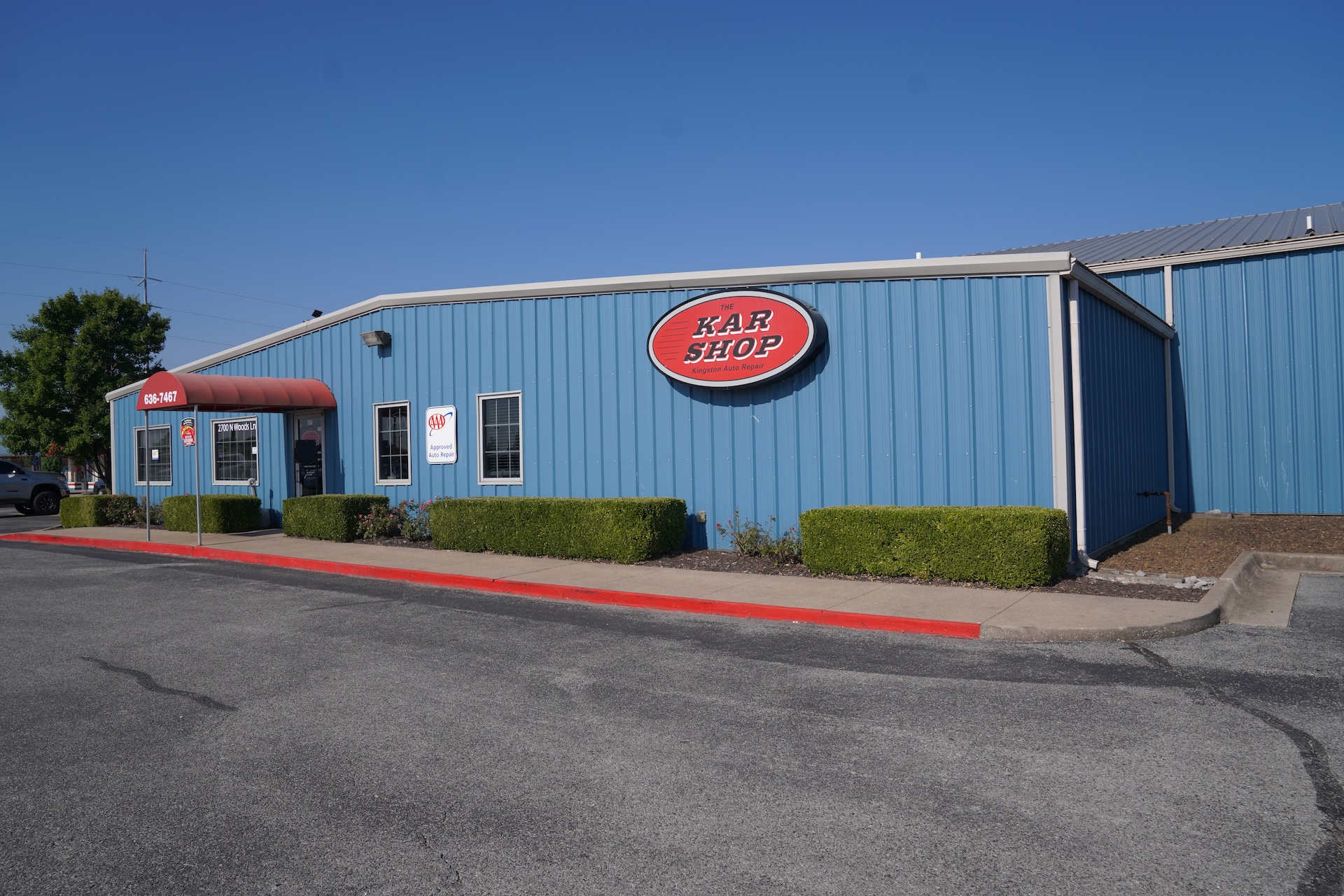
Keith Kingston and his brother Jack Kingston opened The KAR Shop in Rogers, Arkansas, in June 2006 with one goal: build a family owned repair facility where customers could trust the work and technicians could be proud to show up every day.

Twenty years later, that goal hasn't changed. What has changed is the system behind it.

Before switching to Tekmetric, the shop was getting by, but growth was stalled. The team couldn't see technician capacity. They missed upsell opportunities. The workflow was clunky, and the software wasn't getting better.

Shortly after Kevin Braker joined as general manager, he and Keith began looking for a platform that could keep up with the original vision for the shop. They wanted something cloud-based, cutting-edge, and built by someone who understood the auto repair industry from the inside.

That’s when they discovered Tekmetric.

Starting with a Problem

Before switching to Tekmetric, The KAR Shop faced the kind of operational friction that slows down even the best shops. Job boards required manual management. Advisers couldn't see where vehicles were in the workflow without physically walking the shop to find cars and paper tickets. Parts ordering meant juggling 10 browser windows to compare prices across suppliers. And when the previous shop management system pushed a software update, it wasn't a quiet background process — it was a full shutdown. 

Every workstation had to be updated individually while the shop sat idle. 

"We felt like the software just wasn't going to get better," Braker said. "Updating it meant closing down operations." 

Tekmetric works differently. Updates roll out automatically, in the background, with no interruptions to the workday. The shop never has to choose between staying current and staying open.

"We spent a lot more time than we should have fighting the former shop operating system," Braker said.

One of the biggest issues was visibility. Braker couldn't see how much work each technician had lined up or whether the shop could handle more cars. The team was making decisions based on how things felt, not what the numbers said.

"You'd look out in the parking lot and think, 'Oh man, we're way behind,' and you'd turn away work because you went by how you felt, not by the facts," Braker said.

Finding the Right Platform

The KAR Shop evaluated about four software platforms before choosing Tekmetric in 2019. The decision came down to three factors: cloud-based infrastructure, modern features, and leadership from someone with auto repair experience.

"We liked the fact that Tekmetric was run by a shop owner," Keith said. "Sunil knew the industry. He wasn't just a software guy taking advantage of a market that he saw was open. He was trying to help his people."

The transition to Tekmetric was extremely smooth.

"This was the least disruptive of any software change we've ever had to do," Braker said. "You guys were so helpful at making the transition and moving our customer files over."

The 75% ARO Jump

The KAR Shop's average repair order sat at $399 before implementing Tekmetric. Today, it's $699, a 75% increase.

Braker attributes the growth to two Tekmetric features: maintenance-based recommendations and streamlined workflows that allow the shop to process more work without adding chaos.

"Being able to just interact with the maintenance schedules, having canned jobs — it's a mixture of us just doing a better job and being educated, and Tekmetric giving us the ability to do a better job," Braker said. 

The tech board feature gives The KAR Shop real-time visibility into how many hours of work each technician has lined up. That clarity eliminates guesswork about capacity and helps the team make smarter scheduling decisions.

"I can see how many hours of work each tech has lined up," Braker said. "That was missing before."

Parts ordering accelerated after The KAR Shop integrated Parts Tech through Tekmetric. Instead of opening 10 browser windows to check supplier inventory and pricing, advisers can now search multiple suppliers at once and place orders in minutes.

"It's all automated now," Braker said.

Digital Vehicle Inspections Build Trust

Before Tekmetric, The KAR Shop presented repair recommendations over the phone. Advisers called customers and explained what the vehicle needed. There were no photos. No videos. Just a voice on the other end of the line explaining problems the customer couldn't see.

That changed when the shop started using Tekmetric's digital vehicle inspections (DVIs).

"How we present the work is completely different now," Braker said. "The pictures and the movies — you almost don't even have to talk. They see it. You explain it a little bit."

The DVI process gives customers transparency into the condition of their vehicles. Advisers document both good and bad components, then send an inspection link via text or email. Customers can review the inspection before discussing repairs, which builds trust and reduces skepticism.

"The industry has a trust issue," Braker said. "When you bring in a new customer, they're super impressed when we send them a digital inspection and they see the pictures and see the red, green, yellows. It kind of sells itself."

The shop trains advisers to address the primary customer concern first, then discuss overall vehicle health before jumping to pricing. The strategy prevents sticker shock and keeps customers engaged in the conversation.

"If you tell someone it's going to be $2,000 for the repair they came in for, they stop hearing anything else you say," Braker said. "We talk about the general health of the truck first, then we can discuss what needs to be done now and what can wait."

The biggest challenge wasn't getting customers to trust the process — it was getting technicians to take the photos. Once the team saw the ARO start climbing, buy-in followed quickly.

"Once they saw the ARO going up, it just started working," Braker said.

Text-to-Pay Enables After-Hours Operations

The KAR Shop runs on an unusual schedule for an auto repair facility: 6 a.m. to 2 p.m., Monday through Friday.

The shift started as a necessity. Last summer, temperatures inside the shop reached sweltering heights. The KAR Shop let technicians come in at 6 a.m. and leave between noon and 2 p.m. to avoid the worst heat. One technician suggested working straight through lunch with two 15-minute breaks instead of taking a full hour off. The shop tried it, and nobody complained.

"We weren't hearing complaints from customers," Braker said. "We weren't having any problem with anything."

The team leaned into the model. They added key boxes for after-hours pickup and trained advisers to ask customers to drop off vehicles the night before. They started streamlining in-store customers when possible and pushed digital payments through Tekmetric's Text-to-Pay feature.

Today, about 80% of The KAR Shop's jobs are dropped off the night before and picked up after hours. Customers pay online, retrieve their keys from a secure key box, and drive away without ever stepping inside.

"Without Text-to-Pay, we could have never changed like this," Braker said.

The compressed schedule delivered a massive morale boost. Two technicians' spouses were able to take jobs that start at 4 p.m. because their husbands are home by 2:30 p.m. Other employees can attend their kids' after-school activities, cook dinner with their families, and make medical appointments without missing work.

"It's a plus," Keith said. "They make doctor's appointments in the afternoon. They're not missing any pay. We don't have to go without an employee for half a day."

Reducing Daily Chaos for Technicians

Tekmetric's digital job board gives technicians visibility into what's coming and what's already in the shop. That visibility reduces chaos and gives technicians input on dispatching decisions.

"They look ahead and will ask the dispatcher, 'Hey, why don't you let me diagnose this one before I do that one?'" Braker said. "That's definitely streamlining it — having their input on the dispatching of the work."

The parts notification feature prevents wasted movement. Technicians receive a notification on their phones when parts arrive, which keeps them from pushing vehicles in and out of bays unnecessarily.

"They get the little ding on their phone, and 'Hey, my parts are here,'" Braker said. "That kept us from wasting time pushing a car in and out because they know the parts are up front."

The KAR Shop is also training technicians to handle their own estimating on primary concerns. In the past, that would have created chaos. With Tekmetric's integrated labor guides and Parts Tech, technicians can look up parts and build estimates without slowing down the shop.

"In the past, we couldn't have done that either," Braker said. "Tekmetric helped a lot there, too."

Building a Culture That Keeps People

The KAR Shop recently won Tekmetric's 2026 Shop Excellence Award for Best Shop to Work For. This recognition reflects a deliberate culture designed before the shop even opened.

"When Jack and I originally planned this back in 2002 and 2003, we spent two or three years planning it, designing the culture we wanted, and what we wanted to do," Keith said. "We've always stuck with that. We wanted to be a family place."

The shop also has a focus on benefits that money can't buy. When a technician needed time off for a family tragedy, the shop paid him to stay home until he was ready to return.

"He'll be a better employee when he comes back," Keith said. "And his wife will probably never forget it."

The hiring process reflects the same priorities. When The KAR Shop interviews a candidate, they send the person to lunch with the entire team without the owners present. If the team says the candidate won't fit, the shop doesn't hire them, even if the resume looks good.

"We've hired people that were turning 50 or 60 hours a week, but everyone else was mad," Braker said. "Not because of the hours — it was the attitude, the drama they caused. It's just not worth it."

The strategy works. One technician just hit 15 years with The KAR Shop. When dealerships try to poach technicians, employees don't ask about pay anymore. They ask whether the dealership offers a 6 a.m. to 2 p.m. schedule, time off for trick-or-treating with their kids, and support during family emergencies.

Maintaining a 4.8-Star Reputation

The KAR Shop has almost 1,000 Google reviews and a 4.8-star rating. That reputation didn't happen by accident.

The shop uses Tekmetric Marketing to request reviews. The platform links customers directly to their Google accounts, which makes leaving feedback fast and easy.

"That really helps when they get a request for a review that links them directly to the Google account they're already logged into," Braker said.

Advisers ask for reviews at pickup, and some go further. One adviser tells customers, "Now, I can count on you leaving us a five-star review, right? I'm going to look in the morning and make sure you leave me a review."

The reviews keep coming because the shop delivers accurate estimates and transparent communication. Customers rarely get surprise calls asking for more money because the labor guide integration ensures estimates are accurate from the start.

"Having the labor guide integrated, giving us accurate estimates, and being able to automatically ask for a review — I think that helped a lot," Braker said.

Looking Ahead

The KAR Shop is planning to grow. The area within five miles of the shop is adding 250 residents per month, and it is an opportunity to scale the business without losing the culture they've built.

They expect Tekmetric to keep up with that growth.

"We're expecting you guys to keep up with technology," Braker said. "We're expecting you to keep up with AI, keep up with any new technology, keep watching the suggestion board."

Braker wants to see Tekmetric continue consolidating tools into one platform. The shop already uses Tekmetric for shop management, payments, and marketing. The goal is to eliminate the need for multiple subscriptions and keep everything under one roof.

"You guys are consolidating it all into one package, which makes it really handy," Braker said. "Everything is consolidated, and we don't need to do anything else."

The shop's message to other independent operators is clear: if you're not on Tekmetric, you're falling behind.

"This is the future for an independent auto shop," Braker said. "Everybody else is light-years behind where Tekmetric is."

Parker Branch grew ARO from $583 to more than $1,000 with Tekmetric’s inspection tools and streamlined workflows

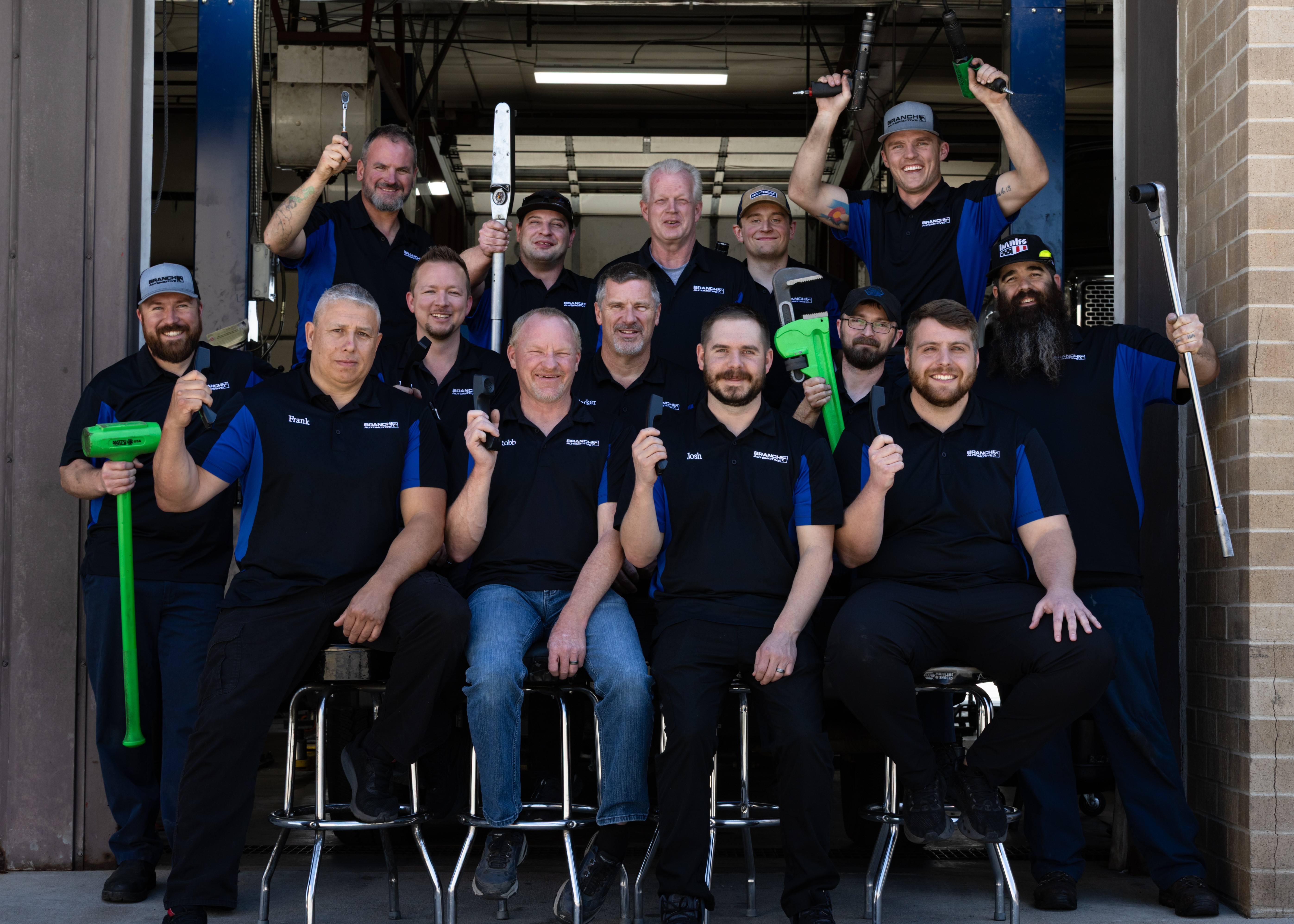
Parker Branch started Branch Automotive with a two-bay emissions testing station and one guiding principle: earn trust through clear communication. Today, his 14-bay diesel specialist shop runs on that same principle — backed by results that earned him Tekmetric's 2026 Shop Excellence Award for Sustained Growth.

The path from solo technician to award-winning shop owner didn't involve shortcuts. Branch built systems that freed his Highlands Ranch, Colorado, team to focus on two things: fixing diesel trucks and helping customers understand exactly what's happening under the hood.

Starting with a Strategy

Branch worked in dealerships and independent shops for more than 20 years before opening his own business during the 2008 financial crisis. He knew attracting customers to a new shop would be the hardest part, so he opened a diesel emissions testing station in Colorado to get trucks in the door.

“I thought, if people come for emissions testing, I can talk to them about their trucks,” Branch said. “I could show them my background, my training, and hopefully convert them into service customers.”

He stood on County Line Road in Highlands Ranch with handheld signs on slow days, waving at diesel trucks to advertise the new testing station. He even built a basic website with a $300 Google Ads budget. The phone didn’t always ring in the beginning, but word of mouth from 15 years of working in the area started bringing customers through the door.

Growing Through People and Process

Within months, Branch realized he couldn’t answer phones, run the dynamometer, fix trucks, and manage the business alone. He hired a helper who could share emissions testing duties. Then he hired a second technician to use the other bay. Eventually, he brought on an office manager who had worked with him at a dealership.

By 2012, Branch Automotive was generating $850,000 in revenue from two bays while charging $80 per flat-rate hour. The problem was Branch had been running the entire operation without shop management software and no clear understanding of margins or labor rates.

“I was shooting from the hip,” Branch said. “I didn’t know what I was doing with pricing.”

He invested in his first shop management system, which gave him visibility into parts ordering, cost control, and performance tracking for the first time. Through industry training programs, Branch learned how to use software to understand his business.

“That was revolutionary,” Branch said. “I could finally see what was happening.”

In 2014, Branch bought an eight-bay AAMCO facility down the street for $1.2 million and moved the business into a space that could support real growth. With more bays came more technicians, more advisers, and more need for systems that could keep everyone aligned.

Finding the Right Platform

As Branch Automotive grew, Branch kept looking for tools that would streamline operations and remove friction. He tried different platforms over the years, but the process always required advisers to flip between screens and manually create sub-estimates for every finding marked on an inspection. The workflow slowed down his team.

When Branch heard about Tekmetric’s reporting capabilities and the one-click feature that creates a sub-estimate for every yellow or red finding on the inspection, he knew it was time to make a change.

“That feature streamlined everything,” Branch said. “It creates a bucket for every finding, and the adviser just cruises right down through them. The process got faster, and we could handle more work without adding friction.”

Branch Automotive switched to Tekmetric two-and-a-half years ago, and the decision paid off immediately.

“It’s definitely been the right decision,” Branch said. “It’s an improvement for us.”

How Digital Vehicle Inspections Drive ARO Growth

Branch Automotive’s average repair order was $583 before adopting Tekmetric. Today, it sits over $1,000, with many months pushing toward $1,300. When emissions testing is removed from the blended calculation, the shop’s ARO is about $2,700.

Branch attributes the 77% increase in ARO directly to consistent use of digital vehicle inspections and the systems Tekmetric provides to make sharing those inspections seamless.

“There’s a direct correlation between using Tekmetric and the results we’ve seen,” Branch said. “If you’re using the tool right and following through with the 300% rule, the numbers will move.”

The 300% rule is an industry standard: 100% of vehicles should be inspected, 100% of findings should be estimated, and 100% of estimates should be shared with the customer. Tekmetric’s DVI platform makes that process efficient and repeatable.

Branch’s team follows strict internal standards for how many photos and videos to include in each inspection. They document both good and bad components to give customers a complete picture of vehicle health. Every finding includes clear verbiage explaining what the issue is, why it matters, what should be done, and what happens if it’s deferred.

When the inspection is complete, advisers send the customer a link and ask them to review it before calling to discuss it together. If the customer is in the shop, advisers use monitors that pivot so they can walk through the inspection side by side.

“We train advisers to address the primary concern first, then talk about overall vehicle health,” Branch said. “We ask them not to jump straight to pricing. If you tell someone it’s going to be $2,000 for the repair they came in for, they stop hearing anything else you say. We talk about the general health of the truck first, then we can discuss what needs to be done now and what can wait.”

For a diesel shop where repairs can be complex and expensive, that level of transparency builds trust. Customers can see what’s happening with their trucks and make informed decisions about what to fix.

“We’re not trying to sell them something they don’t need,” Branch said. “We’re showing them what we found and letting them choose. That’s what the DVI does.”

Tracking Performance and Coaching the Team

Tekmetric’s reporting tools give Branch visibility into metrics that matter.

“I can look at each adviser and see where they are on those numbers,” Branch said. “If someone’s close ratio is lower than the rest of the team, that tells me they need some help. Maybe they need training. Maybe they’re not following the process.”

That data helps Branch identify which advisers to put into performance coaching programs to give them the tools and peer support they need to improve.

The inspection reporting also shows Branch how many inspections each technician completes and how thoroughly they document findings. If one technician has significantly more green findings than the rest of the team, it’s a signal to check in and see if they need retraining on the shop’s standards.

“It’s not cookie-cutter,” Branch said. “But over time, you can see patterns. Tekmetric makes it easy to see those patterns and take action.”

Investing in the Team

Branch closed the shop and brought his entire team to VISION this year to make sure they got the same training and motivation he receives when he attends industry events.

“I used to go to trainings and come back with a list of ideas,” Branch said. “Some of it would get implemented, and some wouldn’t. I realized my employees needed to have that same experience. They needed to be there, not hear it secondhand from me.”

Everyone chose the classes they wanted based on their career goals. Some focused on improving their technical skills. Others explored leadership development because they’re interested in eventually owning a shop or moving into management.

Branch believes providing a development path is essential to maintaining a strong team culture. Employees want to feel like they’re growing and improving, not just stuck in a position with no future.

“It’s human nature,” Branch said. “Everyone wants to feel like they have a path. Training and growth opportunities are part of how we keep people engaged and proud of what they do.”

Weathering Economic Challenges and Looking Ahead

Branch isn’t chasing numbers just to chase numbers. He’s focused on maintaining culture, delivering great customer experiences, and making sure his team feels proud of the work they do.

“You can get caught up in the numbers and it starts to take the fun out,” Branch said. “We’re focusing on the customer experience and being happy. Most of us here like fixing stuff. We feel good when we’re successful and the customer is happy.”

Behind the scenes, Branch is working on strategies to bring more customers through the door. But the systems are in place. The team is trained. The tools work. When traffic picks up, Branch Automotive is ready.

The Advice for Other Shop Owners

Branch won Tekmetric’s 2026 Shop Excellence Award for Sustained Growth because his ARO trajectory reflects years of deliberate decisions about how to run the business. He didn’t get there by accident.

“If you’re a shop owner sitting at $500 or $600 average repair order thinking that’s just the nature of your market, you’re wrong,” Branch said. “The tool is there. The process works. You just have to use it.”

For shop owners considering Tekmetric, Branch’s advice is simple: look at the reporting, look at the inspection process, and see how easy it is to track performance at the adviser level.

“Let me show you the reporting,” Branch said. “Let me show you how we look at average written, average repair order, and close ratios for each adviser. The tool makes it so easy to see where the opportunity is and who needs coaching.”

Branch knows changing systems isn’t easy, especially for a mature business. But he’s always been willing to make changes that streamline operations, reduce friction, and help his team perform better.

“Tekmetric makes it easier to do the things we were already trying to do,” Branch said. “The inspection process is faster. The reporting is better. The sub-estimate feature saves time every single day.”

After two and a half years on Tekmetric, Branch has no regrets about making the switch. The results speak for themselves.

Frequently Asked Questions

What results did Branch Automotive see after switching to Tekmetric?
Branch Automotive increased average repair order by 77%, from $583 to over $1,000, with actual repair work averaging $2,700 when emissions testing is excluded. The shop processes 10,000 to 15,000 digital vehicle inspection images and videos per month and won Tekmetric’s 2026 Shop Excellence Award for Sustained Growth.

How does Branch Automotive use digital vehicle inspections to increase ARO?
Branch Automotive follows the 300% rule: inspect 100% of vehicles, estimate 100% of findings, and share 100% of estimates with customers. The team documents both good and bad components with photos and videos, includes clear explanations for every finding, and uses Tekmetric’s one-click sub-estimate feature to create estimate buckets for each yellow or red inspection item.

What made Branch Automotive choose Tekmetric?
Branch needed better reporting capabilities and a faster inspection-to-estimate workflow. Tekmetric’s one-click feature that creates a sub-estimate for every yellow or red finding eliminated the manual process of creating individual estimate buckets. The platform also provides detailed reporting on average written, average repair order, and close ratios by individual adviser.

How does Branch Automotive train advisers to present estimates?
Advisers are trained to address the primary customer concern first, then discuss overall vehicle health before talking about pricing. They send inspection links to customers for review before discussing repairs, and use pivot monitors to walk through inspections side by side with in-store customers. This approach prevents sticker shock and builds trust through visual evidence.

What metrics does Branch Automotive track in Tekmetric?
The shop tracks average written, average repair order, and close ratios for both the shop overall and individual advisers. Branch also monitors how many inspections each technician completes and how thoroughly they document findings to ensure consistent quality standards across the team.

About Branch Automotive

Branch Automotive is a diesel specialist shop in Littleton, Colorado, serving customers with Cummins, Duramax, and Powerstroke repairs. The shop operates eight bays with a team that holds more than 100 years of combined technician experience and includes GM World Class Master certification, ASE World Class technicians, and Ford factory-trained diesel mechanics. Branch Automotive is one of the few Colorado-certified diesel emissions testing facilities in the state.

About Tekmetric

Tekmetric is a cloud-based shop management platform built for independent auto repair shops. About 15,000 shops use Tekmetric to increase revenue, improve efficiency, and deliver better customer experiences through digital vehicle inspections, streamlined workflows, and real-time reporting. Learn more at tekmetric.com.